Mijn verhaal
Overwezenlijke, overgoede, leider naar wijsheid, leid ons naar de overonbekende, overlichtstralende en hoogste top, waar de eenvoudige en absolute en onveranderlijke geheimen hun inkleding vinden in de overlichtende duisternis van het geheime inwijdende zwijgen die in de diepste duisternis het allerhelderst licht overstraalt en in het volkomen ontastbare en onzichtbare met overschone heerlijkheden de ogenloze geesten oververvult.
O Transcendent One, supremely good, guide to wisdom, lead us to the utterly unknowable, the super-radiant, and highest summit, where the simple, absolute, and immutable mysteries find their dwelling in the darkness that surpasses light—the secret, initiatory silence—which, in the deepest darkness, shines forth with the most dazzling brightness, and which, in what is wholly intangible and invisible, fills the sightless spirits to overflowing with surpassingly beautiful splendors.

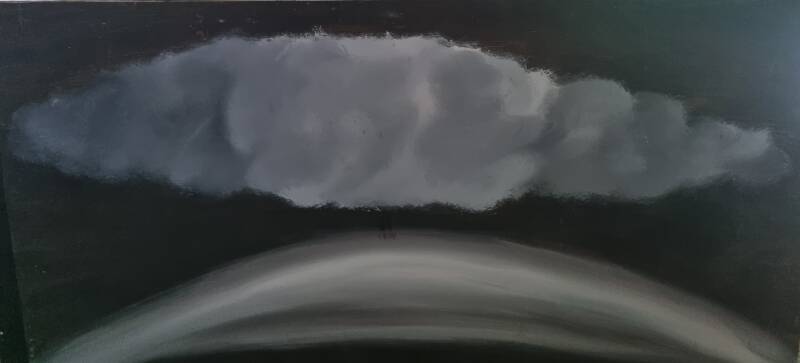

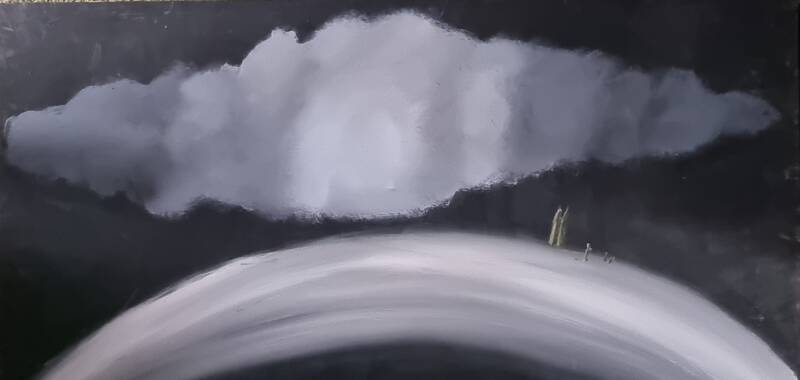
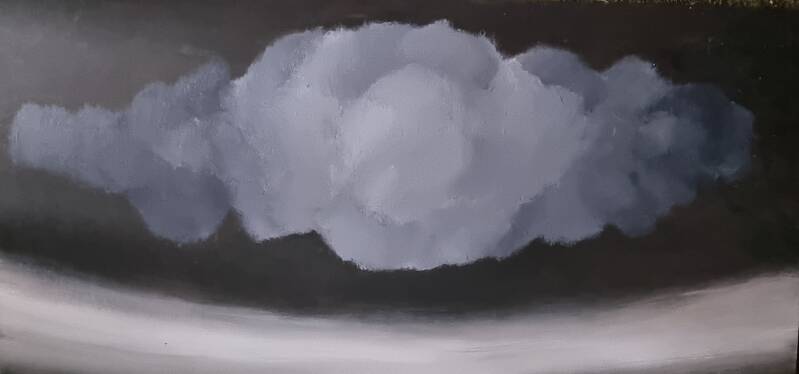
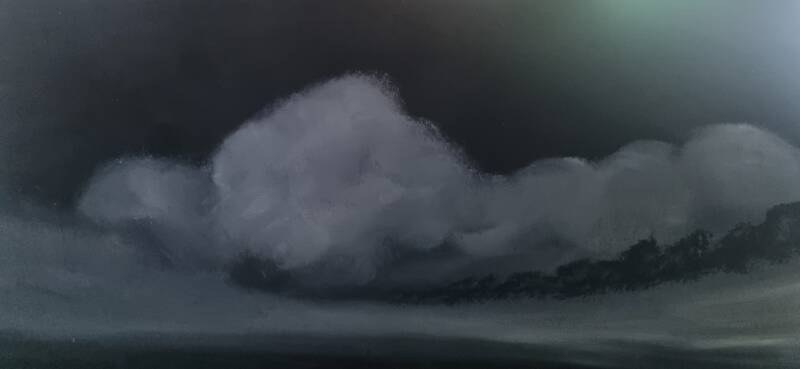
Various influences can be found in Braakman’s work. Like those of the German Romantics, his landscapes are vast and desolate. Nature is a revelation of a divine spiritual reality. This reveals an affinity with the paintings of Caspar David Friedrich. The work depicts landscapes during or after the rain, but equally, in the tradition of Romanticism, they can be seen as mirrors of the soul.
A striking feature of the work is the use of the colour black. The underlying idea is that the transcendent cannot be represented visually, except through a non-image. This is rooted in the tradition of negative theology. Negative theology paved the way for the architecture of the Middle Ages and for the call for the absence of images in churches and mosques. Representatives of this tradition in the West include Meister Eckhart and Juan de la Cruz. In the twentieth century, artists such as Arnulf Rainer, Mark Rothko and Ad Reinhardt explored this practice of non-representation. For example, they painted over their works with black paint. Braakman’s paintings are part of this tradition of non-representation.
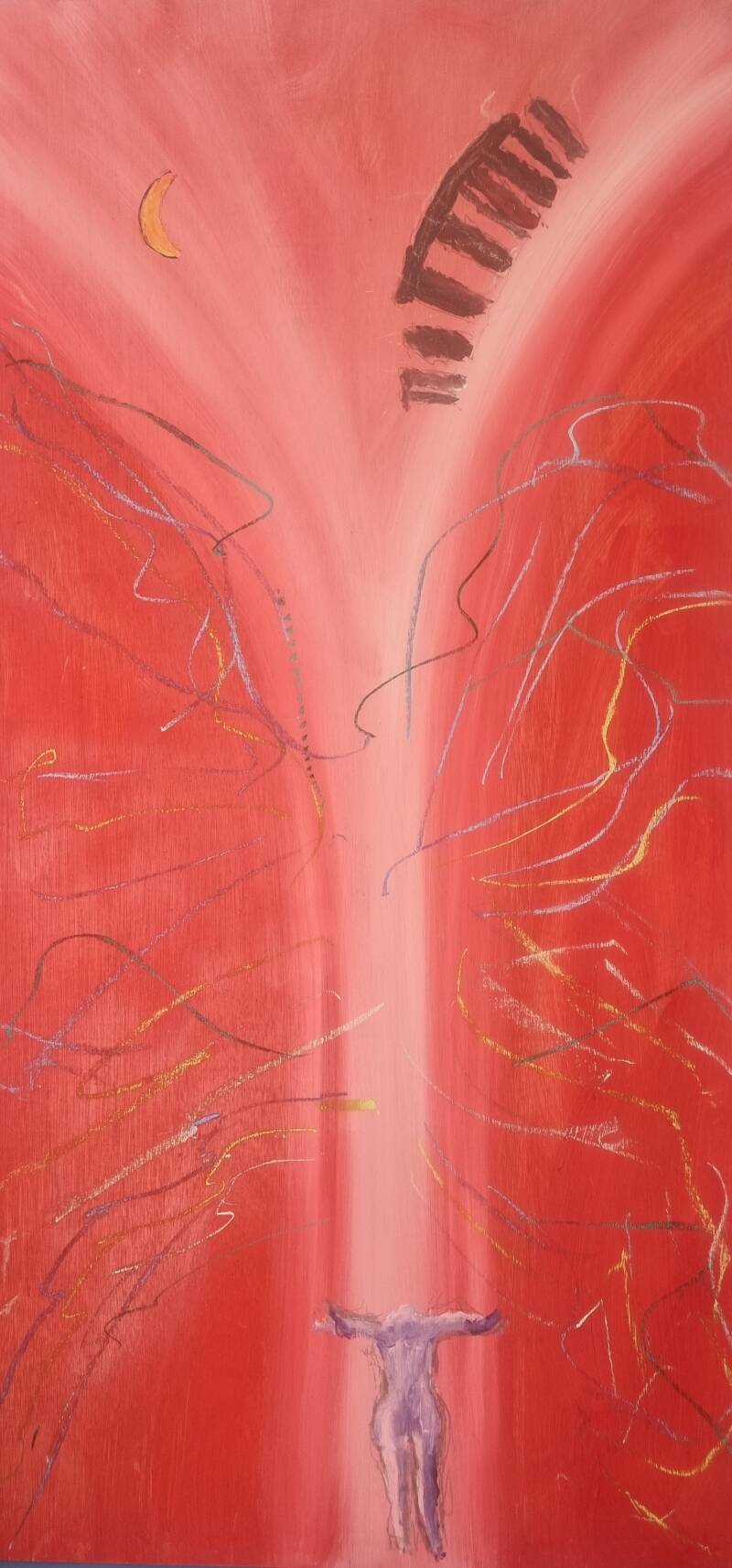
Chaos is the guiding principle of the later paintings: a chaos that nevertheless leads towards order and meaning. They are inspired by the theories of Nobel Prize winner Ilya Prigogine.
Mijn geschiedenis
In het werk van Braakman zijn verschillende invloeden te vinden. Zijn landschappen zijn net als die van de Duitse Romantici groots en verlaten. De natuur is een openbaring van een goddelijk geestelijke werkelijkheid. Hierin is verwantschap met de schilderijen van Caspar David Friedrich te herkennen. Het werk toont landschappen tijdens of na de regen, maar evenzogoed, in de traditie van de romantiek, spiegels van de ziel.
Opvallend in het werk is het gebruik van de kleur zwart. De achterliggende gedachte is dat van het transcendente geen beeld te maken is, tenzij een niet-beeld. Dit staat in de traditie van de negatieve theologie. Deze heeft de architectuur van de middeleeuwen en de roep om beeldloosheid in kerken en moskeeën voorbereid. Vertegenwoordigers daarvan in het Westen zijn Meester Eckhart en Juan de la Cruz. In de twintigste eeuw hebben kunstenaars als Arnulf Rainer, Mark Rothko en Ad Reinhardt dit niet-afbeelden ontdekt. Zij schilderden bijvoorbeeld hun werk met zwarte verf over. De schilderijen van Braakman sluiten aan bij dit niet-afbeelden.
Chaos is het principe van de latere schilderijen, een chaos die toch leidt naar orde en betekenis. Ze zijn geïnspireerd door de theorieën van de Nobelprijs-winnaar Ilya Prigogine.
Mijn collectie
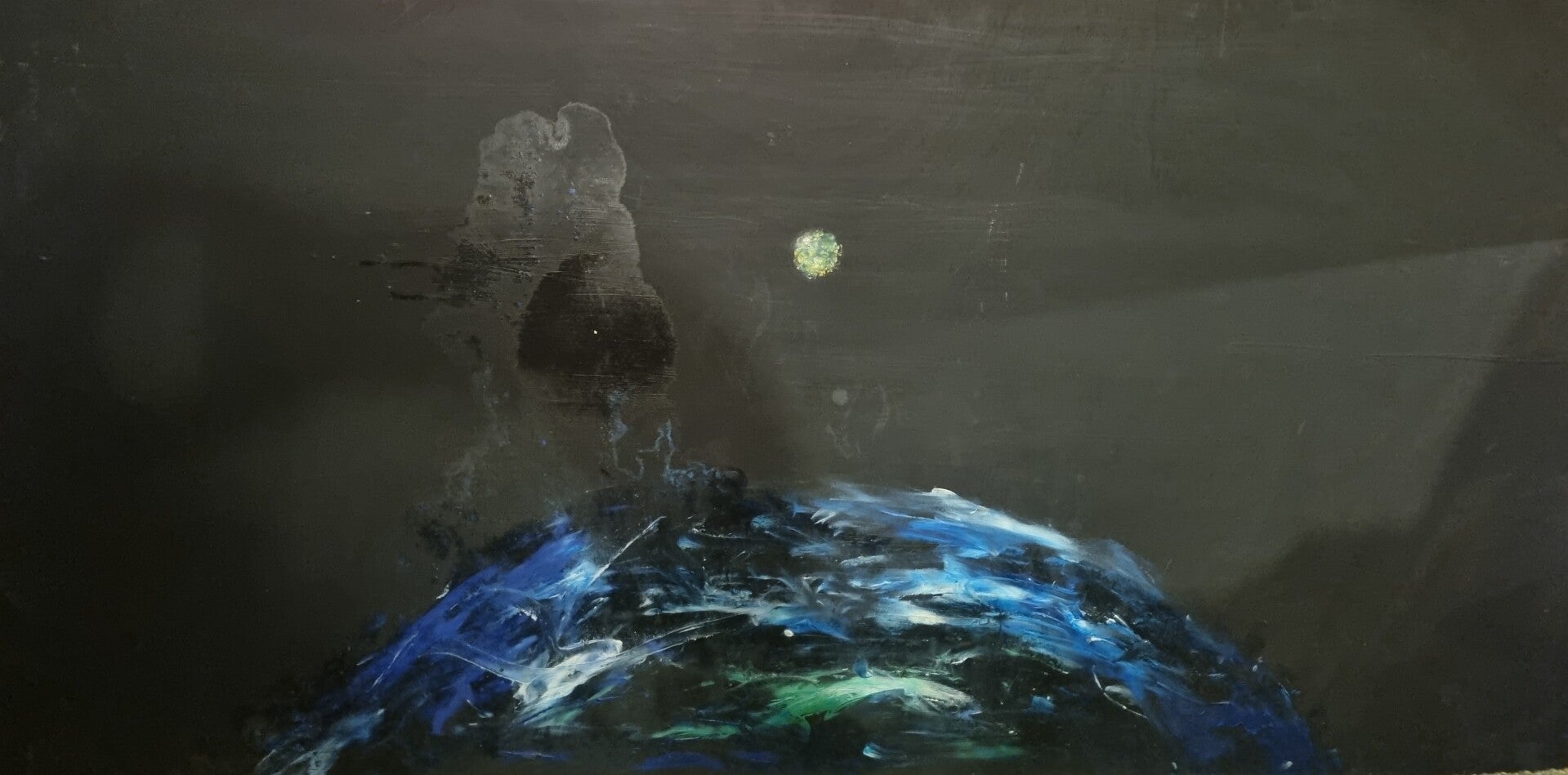
Planeet 2020
De denker - 2023
Techniek: Olieverf op paneel. Formaat: 62x122 cm. GEHEIM. 2024
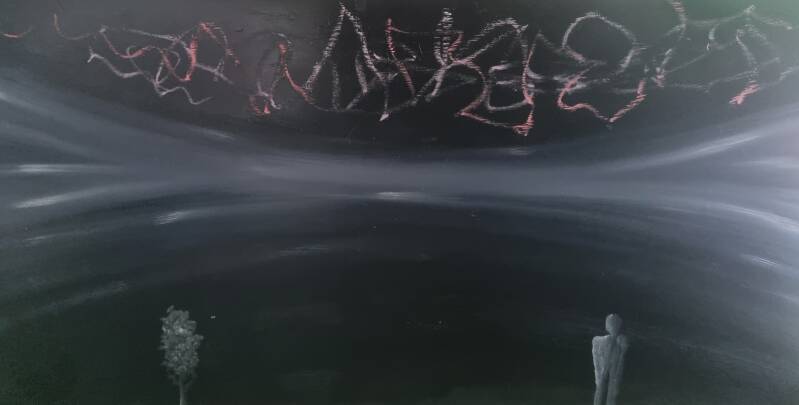
Vrije geest - 2022
Techniek: Olieverf op paneel. Formaat: 62x122 cm. GER2025, 2025
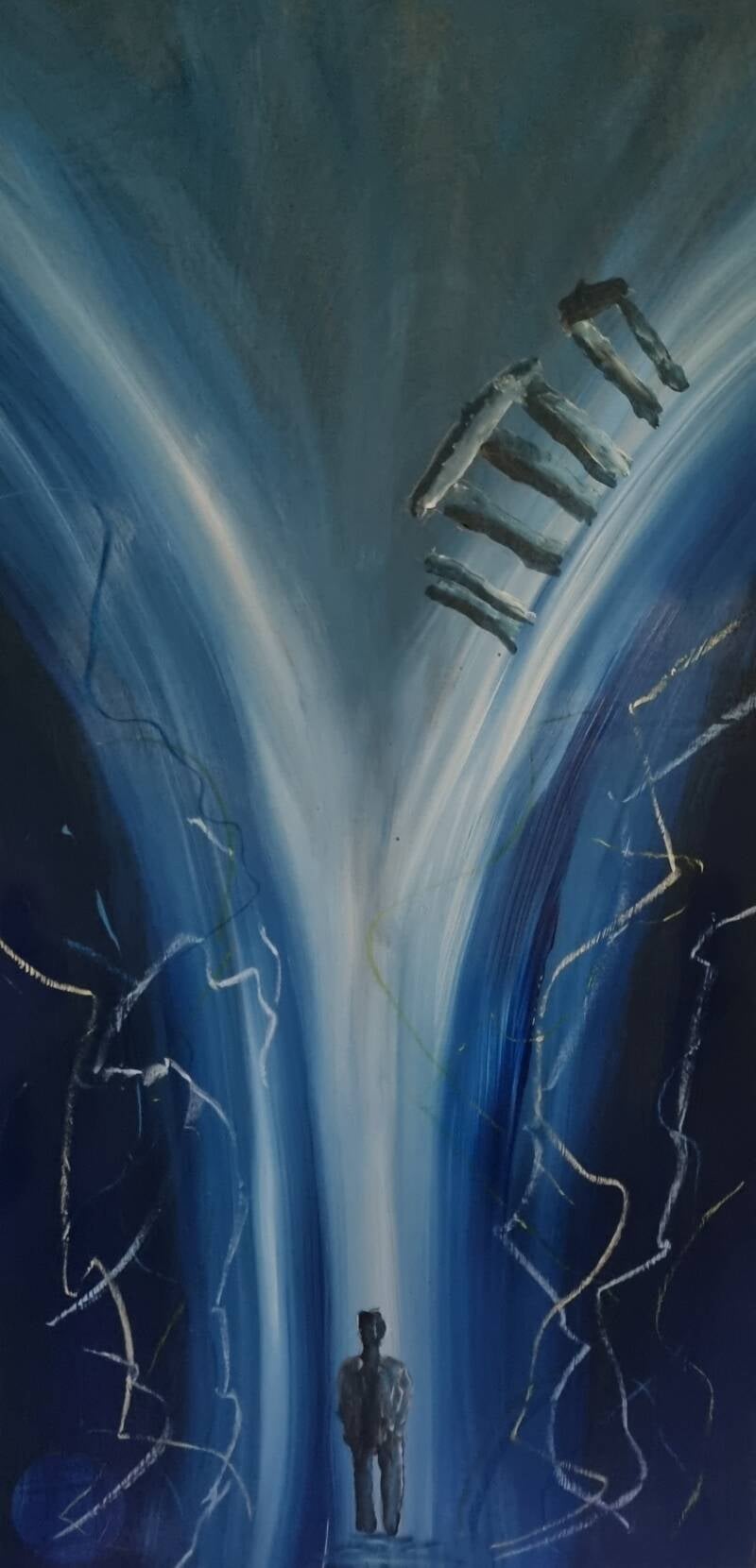
Stilte - 2021
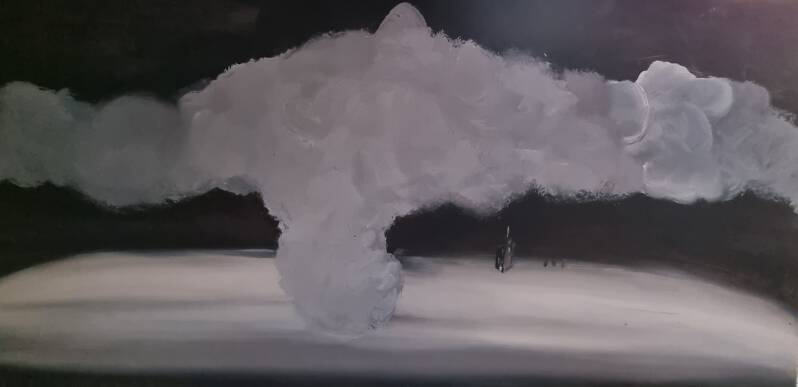
Techniek: Olieverf op paneel. Formaat: 62x122 cm. GEZANG. 2019
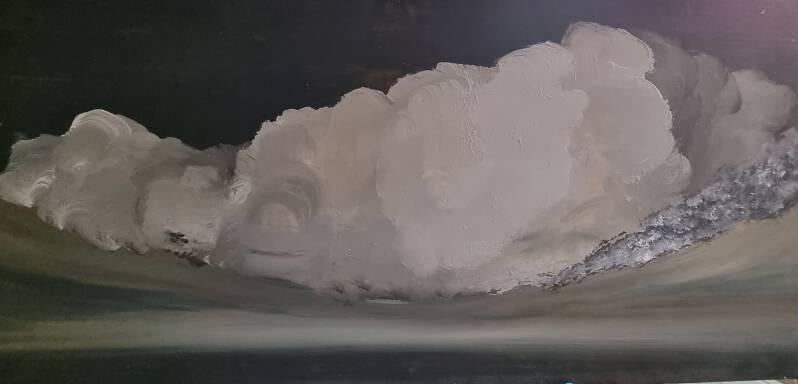
LUCHT, 2026. Formaat: 61 x 122 cm. Techniek: Olieverf en acryl op houten paneel
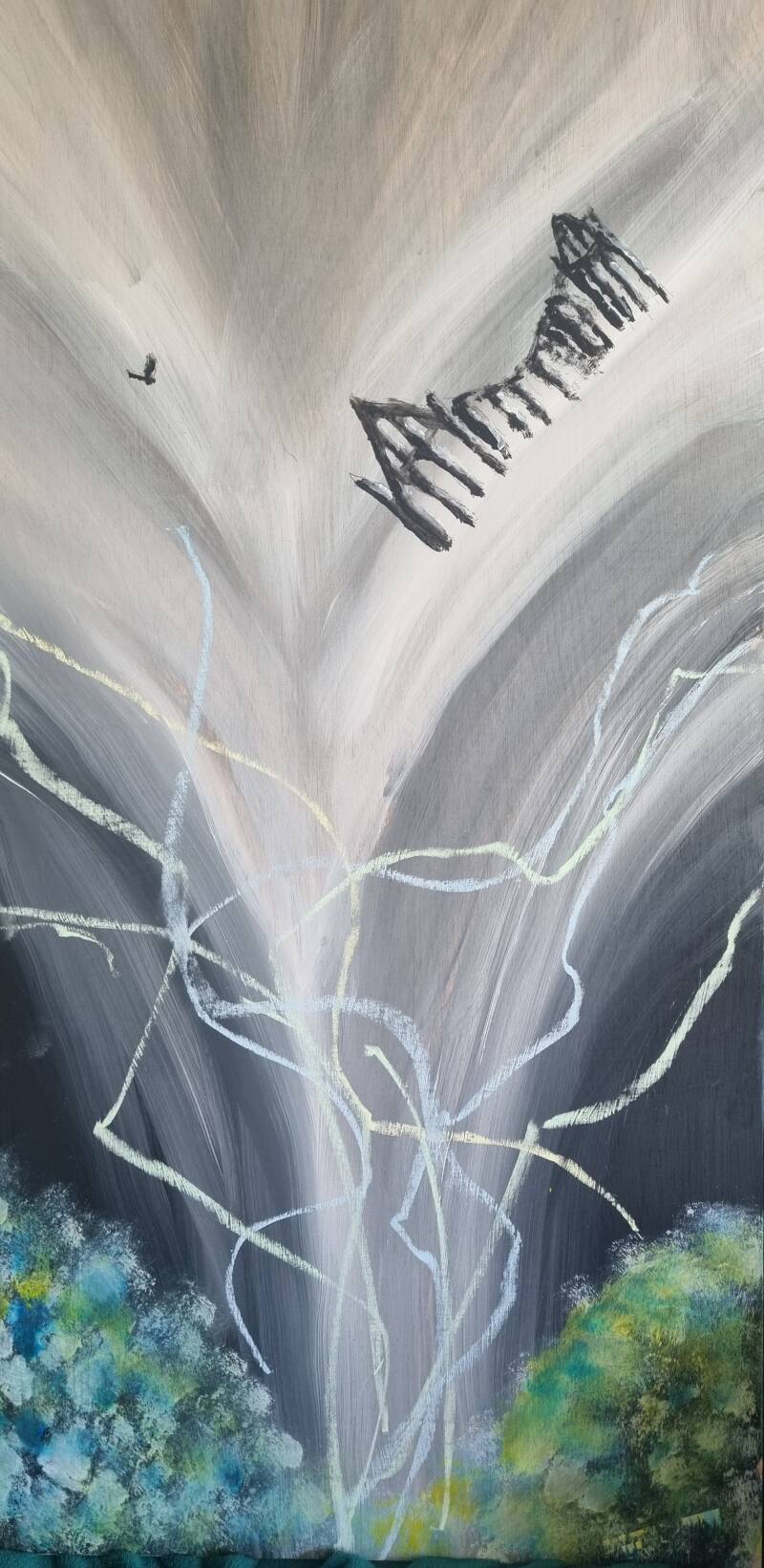
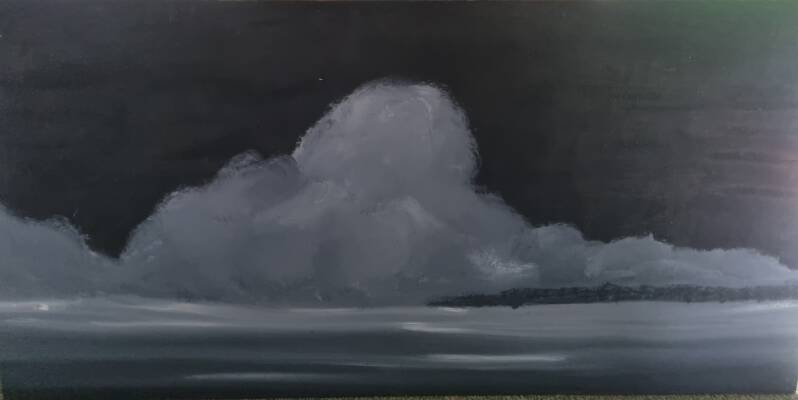
De Slag op het ijs 2007
Techniek: Olieverf op paneel. Formaat: 62x122 cm. De Slag op het IJs. 2007
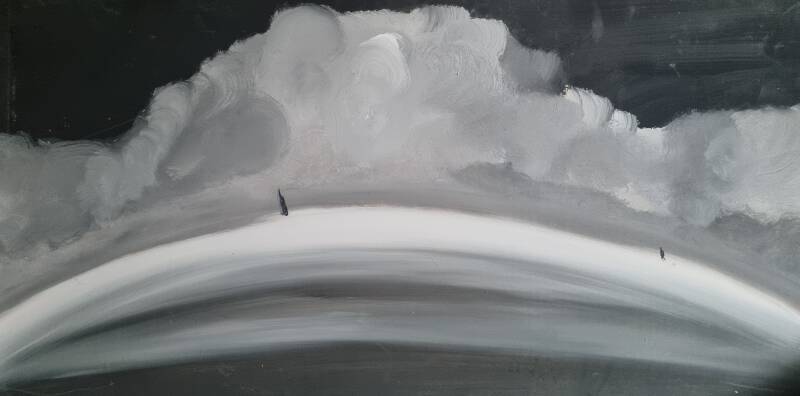
Techniek: Olieverf op paneel. Formaat: 62x122 cm. WANDELING. 2022
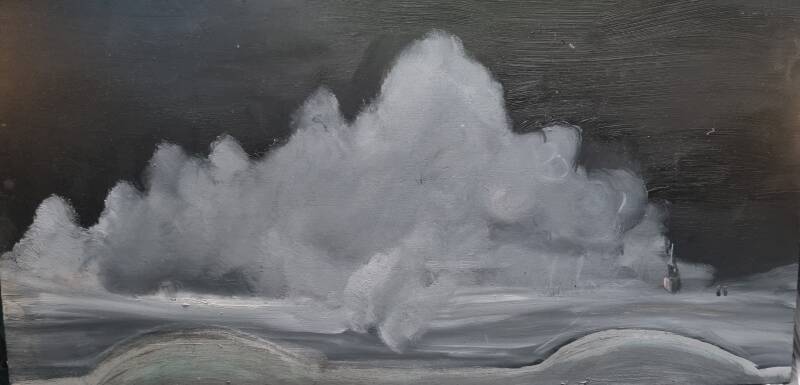
Techniek: Olieverf op paneel. Formaat: 62x122 cm. Van de Koele meren. 2009
Techniek: Olieverf op paneel. Formaat: 62x122 cm. De Wolk. 2022
Verhalen verteld in verf

Contact
Meidoornpad 6
9713 NN Groningen
Uren
Maandag - Vrijdag
9.00 - 17.00 uur
Telefoon
W.A.Braakman@rug.nl